




Blog
How to Display Vinyl Records Without Damaging Album Covers
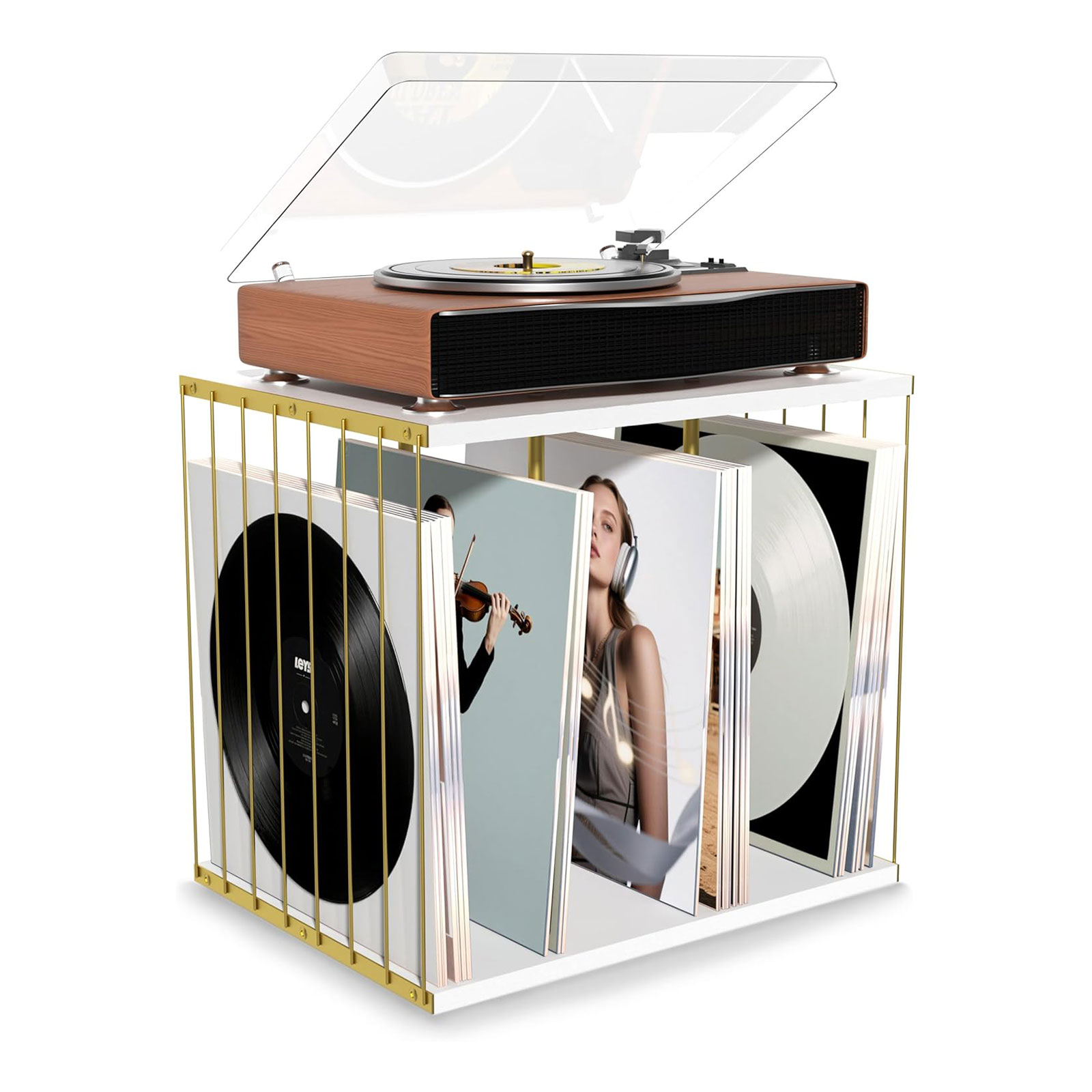
Album artwork can make a listening room feel personal, but a display should not create unnecessary heat, sunlight or handling risks for the record. The best format depends on whether you want to feature one cover, rotate a small selection or keep a larger collection accessible near the turntable.
- Keep records away from sustained direct sunlight, radiators and damp walls.
- Confirm sleeve and gatefold depth before choosing a frame.
- Use wall shelves for frequent rotation and frames for a more finished presentation.
- Store the main collection vertically and display only a manageable selection.
Start with the risks: light, heat and pressure
Direct sunlight can fade printed covers and heat can affect vinyl. A wall that feels warm in the afternoon, a spot above a radiator or an area next to a fireplace is a poor display location. Moisture is another concern, especially on exterior walls or in basements with unstable humidity.
Records should remain upright rather than leaning under uneven pressure for long periods. A display frame or shelf should support the cover without bending it, and the hardware should be appropriate for the combined weight.
- Observe the proposed wall at different times of day.
- Keep displays away from heating vents and moisture-prone areas.
- Use suitable anchors for the wall material and total load.
- Do not assume a UV-resistant front prevents all fading.
Frames, shelves and racks serve different habits
A front-opening frame creates a finished look and makes one cover feel like artwork. It works best when the displayed sleeve fits the internal depth and the front can be opened without disturbing nearby frames. Individual wall shelves support faster rotation and can accommodate varied cover thickness, but the record remains more exposed to dust and accidental contact.
Storage racks are better for the main collection. A rack near the turntable can keep albums vertical and browsable while a small wall display features the current rotation.
- Frame: focused presentation and light dust protection.
- Wall shelf: flexible rotation and varied album-cover thickness.
- Storage rack: larger collection access and vertical support.
- Hybrid layout: storage below with a small featured row above.
Plan spacing before drilling
Use paper templates cut to the outer frame or shelf dimensions. Tape them to the wall with removable tape, step back and check sight lines from the room entrance and listening position. Leave enough space to open front-access frames and to lift covers safely from shelves.
A consistent center line usually feels calmer than aligning every top edge when frame sizes differ. For a growing display, establish a repeatable gap so future additions look intentional.
- Mark studs, utilities and appropriate anchor locations.
- Check frame-door clearance and shelf lip depth.
- Allow finger space for removing a cover without scraping it.
- Keep the lowest display above areas where furniture or pets may make contact.
Handle and rotate the display carefully
Wash and dry hands before handling sleeves and hold records by the edges and label area. If you use outer protective sleeves, confirm they fit the selected frame. Rotate displayed art periodically if light exposure varies, and inspect wall hardware during each change.
A decorative display provides presentation, not archival climate control. Rare or high-value records may require more conservative storage than everyday listening copies.
A practical plan you can use
- Choose the number of covers you want visible at one time.
- Inspect the wall for sunlight, heat, moisture and mounting conditions.
- Measure the actual sleeves, including gatefolds and protective covers.
- Select frames for finished presentation, shelves for rotation or a rack for collection storage.
- Test the arrangement with paper templates before installing hardware.
- Recheck support, dust and light exposure whenever you rotate the display.
Frequently asked questions
Can vinyl records be displayed in direct sunlight?
Sustained direct sunlight is not recommended because printed covers can fade and heat may affect the record. A UV-resistant panel may reduce some exposure but does not eliminate the risk.
Do 12 x 12-inch frames fit gatefold albums?
Not always. Gatefold jackets and protective outer sleeves can be thicker than standard single sleeves. Compare the internal frame depth with the actual album before ordering.
Should the record stay inside the displayed cover?
That depends on the frame design and how often the record is played. Some collectors display an empty cover and store the vinyl vertically in an inner sleeve for easier access and reduced handling.