




Blog
How to Choose a Bulletin Board for a Home Office
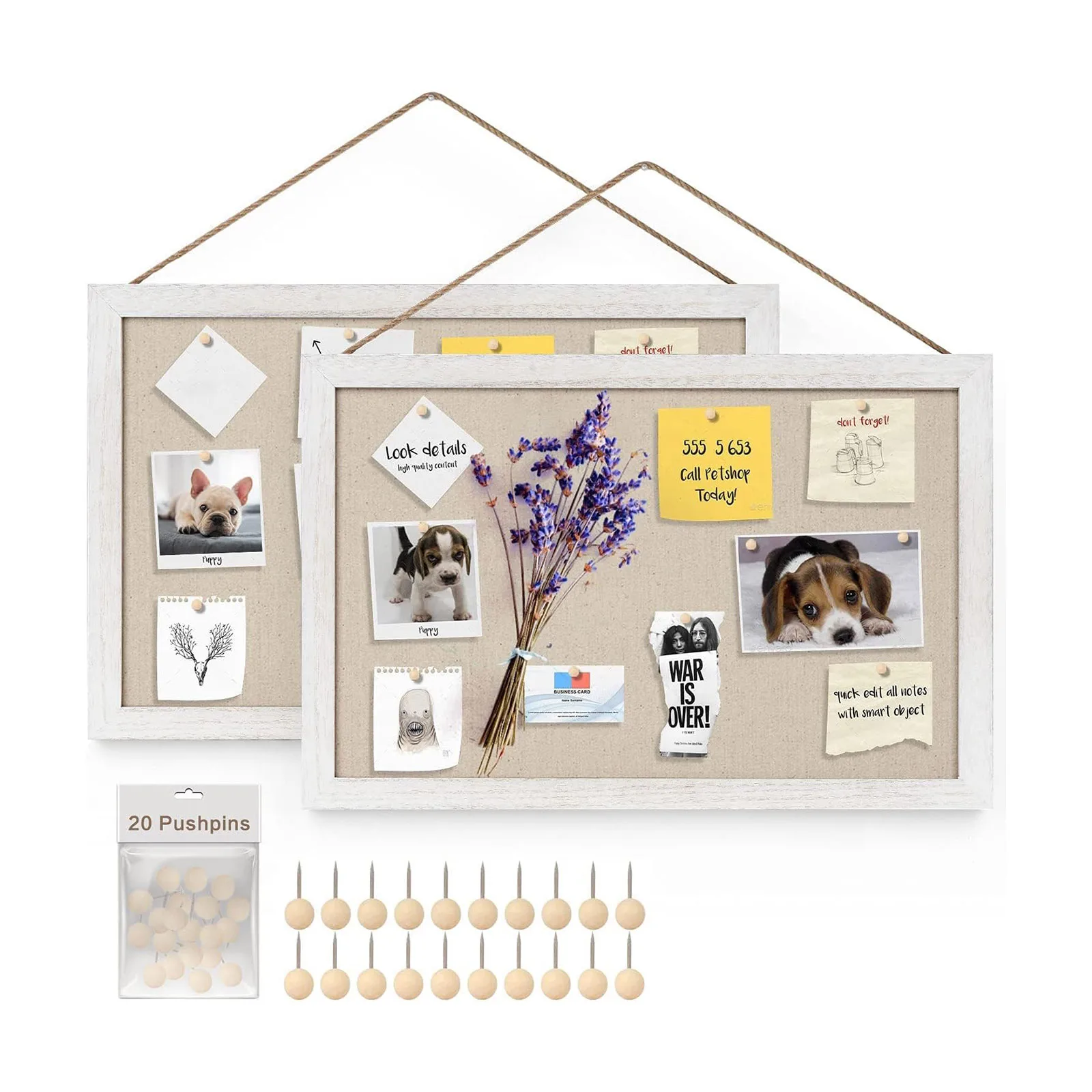
A bulletin board works best when it supports one clear job: daily reminders, project planning, family scheduling, inspiration or photo display. Size alone does not determine usefulness. Surface material, pin depth, frame style, mounting orientation and placement relative to the desk all affect how often the board is actually used.
- Define the board's job before selecting a size.
- Measure the usable pinning surface as well as the outer frame.
- Place urgent information within easy sight and reach.
- Use a separate digital system for private or time-sensitive information when appropriate.
Decide what belongs on the board
A task board may need space for weekly priorities, reference notes and project columns. A vision board benefits from a more open layout for images and quotations. A family board may need calendar, school and household zones. Mixing every purpose can make the board easy to ignore.
Write down the five items you expect to pin most often. Their physical size and update frequency provide a better sizing guide than choosing a board only by wall width.
- Daily priorities and deadlines.
- Project references or material samples.
- Family schedules and school notices.
- Photos, postcards and inspiration.
- Frequently used phone numbers or procedures that are safe to display.
Compare cork, linen and framed surfaces
Traditional cork is direct and practical. A linen-covered board offers a softer visual texture while still accepting pins when constructed for that purpose. A wood frame helps the board relate to nearby furniture and creates a finished edge, but it increases the outer dimensions.
Check whether push pins are included, how thick the pinning layer is and whether the board can be mounted horizontally, vertically or both.
- Cork: familiar pinning surface and straightforward function.
- Linen-covered: softer appearance for bedrooms and visible offices.
- Framed: defined edge and easier coordination with decor.
- Rope or clip details: useful for photos but may reduce pinning flexibility.
Choose a size from viewing distance
A small 16 x 11-inch board can support a focused weekly plan near a desk. Larger boards around 24 x 36 inches work for multiple projects or shared information, but they require more mounting space and stronger visual editing.
Use removable tape to mark the outer dimensions on the wall. Sit at the desk and confirm that headings are readable. Then stand close enough to pin an item without leaning over furniture.
- Leave clearance around shelves, doors and monitor arms.
- Keep frequently changed items between shoulder and eye level.
- Avoid placing private customer, employee or financial information in open view.
- Use appropriate anchors for the board and wall material.
Create a board that stays useful
Divide the surface into a small number of zones and assign a reset time each week. Remove expired notes rather than layering new items over them. A narrow inbox zone can hold information that has not yet been processed.
The board should support a workflow, not become a permanent archive. Store completed documents in the appropriate physical or digital system.
A practical plan you can use
- Choose one primary purpose and no more than two secondary purposes.
- Measure typical notes, calendars, photos or samples.
- Mark the proposed outer dimensions on the wall.
- Compare cork, linen and frame options for the room.
- Install at a readable and reachable height.
- Create zones and schedule a weekly five-minute reset.
Frequently asked questions
What size bulletin board is best above a desk?
It depends on the desk width and the amount of information. Mark the outer dimensions with removable tape and test readability from the seated position before choosing.
Is a linen bulletin board as usable as cork?
A purpose-built linen pin board can be very functional, but check the underlying pinning layer and recommended pin type. Decorative fabric alone may not hold pins securely.
Should a home office board be horizontal or vertical?
Horizontal layouts work well above wider desks and for timeline-style planning. Vertical layouts fit narrow wall sections and column-based task systems. Use the orientation that matches the wall and content.